Thong Q. Nguyen: h-index, Total Citations, and Citation Map
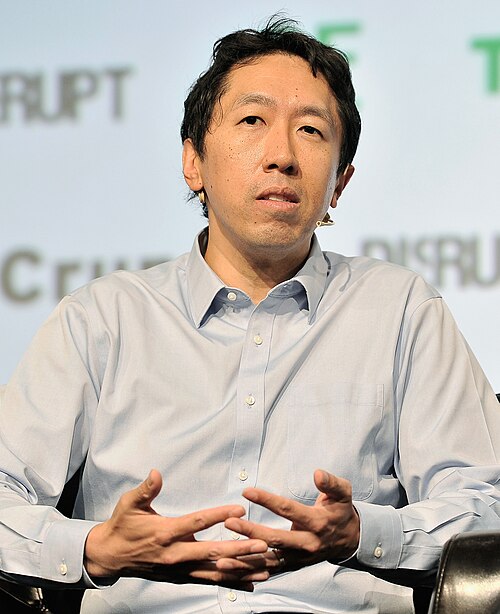
Thong Q. Nguyen's h-index is 1 (1 i10-index, 184,057+ total citations across 1+ publications) according to Google Scholar as of September 2026. Thong Q. Nguyen is affiliated with Microsoft.
Thong Q. Nguyen is a researcher affiliated with Microsoft, specializing in AI & Machine Learning. Their work has been cited 184,057 times. This profile visualizes their global influence, highlighting strong citation networks in AM.
Thong Q. Nguyen's Citation Metrics
Bibliometric impact based on 1 indexed publication.
- H-Index
- 1
- i10-Index
- 1
- Total Citations
- 184,057
- Citing Countries
- 20
As of September 2026.
Thong Q. Nguyen has an h-index of 1 and 184,057 total citations across 1 publication, with research cited by institutions in 20 countries.
Global Impact Map
Visualizing the geographic distribution of institutions that have cited your work.
Starting…
Pins will appear here as institutions are resolved — no need to refresh.
Particle-flow reconstruction and global event description with the CMS detector
20173,628
Top Citing Countries
Top Citing Institutions
Visa Evidence Package
Views and exports tuned for EB-1A, O-1A, and EB-2 NIW petitions. Sustained acclaim, geographic reach, and independent-citation filtering are the strongest evidence categories immigration adjudicators look for.
Citation trend (last 10 years)Click to expand
Citation Trend (Last 10 Years)
Related Guides
Learn how to use citation maps for your research and visa applications.
About Thong Q. Nguyen's research
Thong Q. Nguyen is a researcher in AI & Machine Learning at Microsoft. Their work has been cited 184,057 times across 1 publications, according to Google Scholar.
Their most-cited work, “Particle-flow reconstruction and global event description with the CMS detector” (2017), has accumulated 3,628 citations.
Citations of Thong Q. Nguyen's research come primarily from AM, Austria and United States, reflecting international research impact across 5+ countries. The interactive citation map above shows the full geographic distribution of the institutions citing this work.