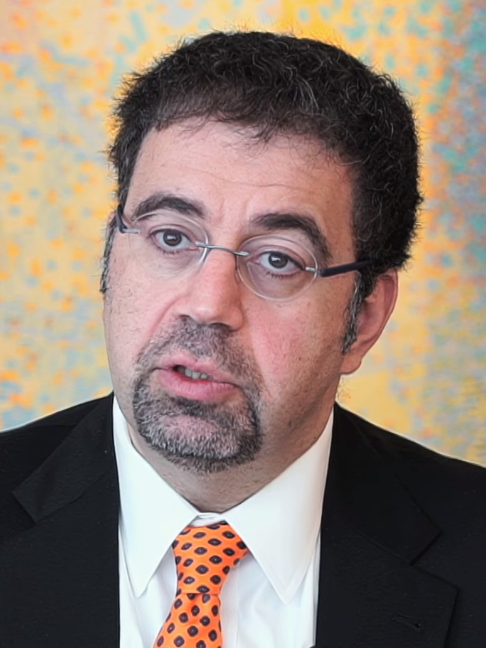
Kejia Wu: h-index, Total Citations, and Citation Map
Kejia Wu's h-index is 9 (8 i10-index, 462+ total citations across 18+ publications) according to Google Scholar as of June 2026. Kejia Wu is affiliated with University of Washington.
Kejia Wu is a researcher affiliated with University of Washington, specializing in Protein Design, Intrinsically Disordered Proteins, Synthetic Biology. Their work has been cited 462 times. This profile visualizes their global influence, highlighting strong citation networks in United States.
Kejia Wu's Citation Metrics
Bibliometric impact based on 18 indexed publications.
- H-Index
- 9
- i10-Index
- 8
- Total Citations
- 462
- Citing Countries
- 13
As of June 2026.
Kejia Wu has an h-index of 9 and 462 total citations across 18 publications, with research cited by institutions in 13 countries.
Download Exports (PNG, CSV, Poster)
Free Viewing Kejia Wu's citation map is always free. Pay once to download poster, PNG, and CSV files for offline use or your visa packet.
Global Impact Map
Visualizing the geographic distribution of institutions that have cited your work.
Starting…
Pins will appear here as institutions are resolved — no need to refresh.
Top Cited Works
Tip: clickto hide a row from the map
Multivalent designed proteins neutralize SARS-CoV-2 variants of concern and confer protection against infection in mice
2022129
Top Citing Countries
Top Citing Institutions
Visa Evidence Package
Views and exports tuned for EB-1A, O-1A, and EB-2 NIW petitions. Sustained acclaim, geographic reach, and independent-citation filtering are the strongest evidence categories immigration adjudicators look for.
Citation trend (last 10 years)Click to expand
Citation Trend (Last 10 Years)
Related Guides
Learn how to use citation maps for your research and visa applications.