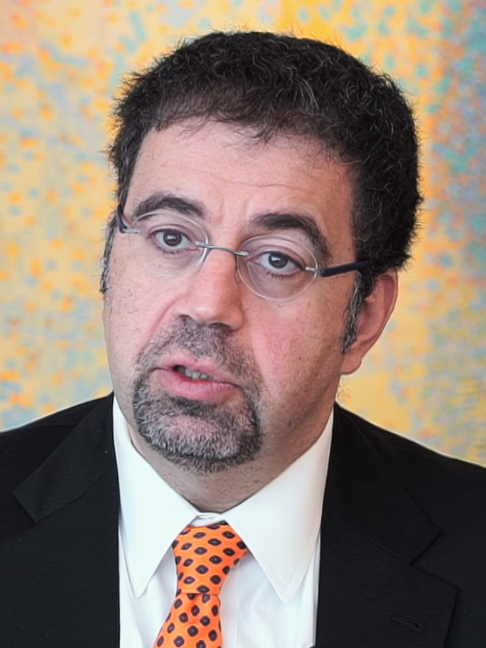
M. Hashem Pesaran, M H Pesaran, Mohammad H Pesaran, Mohammad Pesaran, M. Pesaran Google Scholar: h-index, Total Citations, and Citation Map
M. Hashem Pesaran, M H Pesaran, Mohammad H Pesaran, Mohammad Pesaran, M. Pesaran's h-index is 124 (314 i10-index, 223,465+ total citations across 707+ publications) according to Google Scholar as of October 2026. M. Hashem Pesaran, M H Pesaran, Mohammad H Pesaran, Mohammad Pesaran, M. Pesaran is affiliated with and Fellow of Trinity College, Cambridge.
M. Hashem Pesaran, M H Pesaran, Mohammad H Pesaran, Mohammad Pesaran, M. Pesaran is a researcher affiliated with and Fellow of Trinity College, Cambridge, specializing in various fields. Their work has been cited 223,465 times. This profile visualizes their global influence, highlighting strong citation networks in United States.
M. Hashem Pesaran, M H Pesaran, Mohammad H Pesaran, Mohammad Pesaran, M. Pesaran's Citation Metrics
Bibliometric impact based on 707 indexed publications.
- H-Index
- 124
- i10-Index
- 314
- Total Citations
- 223,465
- Citing Countries
- 56
As of October 2026.
M. Hashem Pesaran, M H Pesaran, Mohammad H Pesaran, Mohammad Pesaran, M. Pesaran has an h-index of 124 and 223,465 total citations across 707 publications, with research cited by institutions in 56 countries.
Download Exports (PNG, CSV, Poster)
Free Viewing M. Hashem Pesaran, M H Pesaran, Mohammad H Pesaran, Mohammad Pesaran, M. Pesaran's citation map is always free. Pay once to download poster, PNG, and CSV files for offline use or your visa packet.
Global Impact Map
Visualizing the geographic distribution of institutions that have cited your work.
Starting…
Pins will appear here as institutions are resolved — no need to refresh.
Bounds testing approaches to the analysis of level relationships
200133,524
Top Citing Countries
Top Citing Institutions
Visa Evidence Package
Views and exports tuned for EB-1A, O-1A, and EB-2 NIW petitions. Sustained acclaim, geographic reach, and independent-citation filtering are the strongest evidence categories immigration adjudicators look for.
Significant Contributions
Auto-detected research lines — a seminal paper and the follow-up work building on it. Review and edit before using in a petition. Each Free PDF opens in a new tab — EB-1A organises this into the structure USCIS applies to Criterion 5 of 8 CFR § 204.5(h)(3)(v); EB-1B re-frames it under § 204.5(i)(3) (outstanding researcher); NIW presents it under prong 2 of Matter of Dhanasar.
1 citing papers could not be classified (no author data) — excluded from the percentages above.
The researcher developed bounds testing approaches for analyzing level relationships, a seminal methodological framework that has become a standard tool in econometric analysis.
The researcher developed a seminal methodology for testing unit roots in heterogeneous panels, establishing a foundational framework for modern panel data econometrics.
The researcher developed a simple panel unit root test robust to cross-sectional dependence, establishing a widely adopted methodological standard for econometric analysis.
Citation trend (last 10 years)Click to expand
Citation Trend (Last 10 Years)
Related Guides
Learn how to use citation maps for your research and visa applications.
About M. Hashem Pesaran, M H Pesaran, Mohammad H Pesaran, Mohammad Pesaran, M. Pesaran's research
M. Hashem Pesaran, M H Pesaran, Mohammad H Pesaran, Mohammad Pesaran, M. Pesaran is a researcher at and Fellow of Trinity College, Cambridge. Their work has been cited 223,465 times across 707 publications (h-index 124), according to Google Scholar.
Their most-cited work, “Bounds testing approaches to the analysis of level relationships” (2001), has accumulated 33,524 citations. Other influential work includes “Testing for unit roots in heterogeneous panels” (2003) with 23,242 citations.
Citations of M. Hashem Pesaran, M H Pesaran, Mohammad H Pesaran, Mohammad Pesaran, M. Pesaran's research come primarily from United States, China and United Kingdom, reflecting international research impact across 5+ countries. The interactive citation map above shows the full geographic distribution of the institutions citing this work.